HC: What are fibroids ?
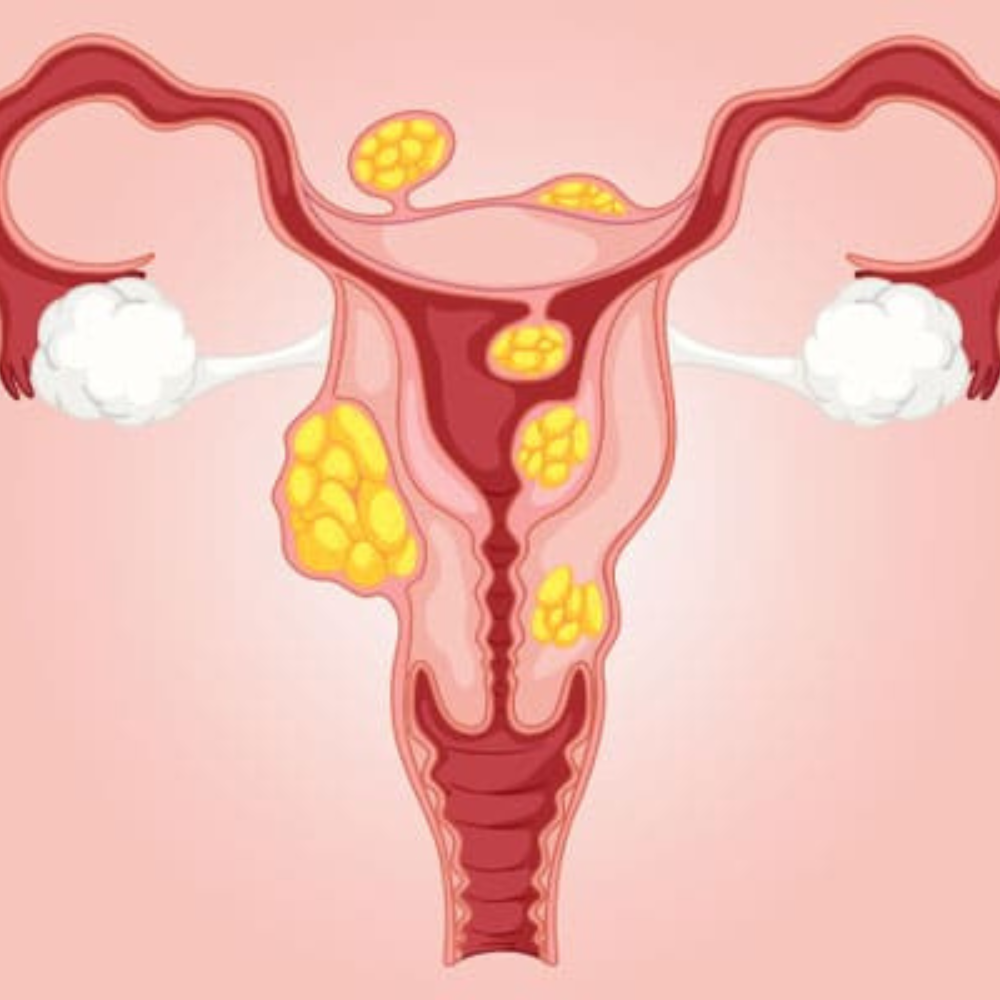
Dr Gauri: Uterine fibroids (also called as myomas) are non-cancerous (benign) growths that develop from the muscle layer of uterus.
HC: Are all fibroids the same?
Dr Gauri: Fibroids can differ with respect to their size, location, number and by the symptoms that they can produce.
Uterine fibroids are generally classified as:
Rarely, fibroids can also form in cervix and broad ligament of uterus.
The size of the fibroids does not seem to be related to the severity of the symptoms. So even a small fibroid (especially submucosal type) can cause considerable symptoms and sometimes a woman with a large fibroid may be asymptomatic.
HC: Who is most likely to develop fibroids?
Dr Gauri: Approximately 60 to 80% of women will have fibroids. The following are some of the risks factors for uterine fibroids:
HC: How are fibroids formed?
Dr Gauri: The exact cause of fibroids is not well understood but multiple factors play a role in their growth.
HC : What are symptoms in women having fibroids?
Dr Gauri: Most women with fibroids are asymptomatic.
However, some may have the following symptoms:
These women are generally anemic (low hemoglobin) and complain of easy fatigue.
HC: What tests are done to diagnose uterine fibroids?
Dr Gauri: Unless a woman has symptoms, it is unlikely that she knows she has fibroids. They can sometimes be detected during routine pelvic examination done by a gynecologist.
Some common types of investigations done are
HC: Is it true that pregnant woman with fibroids have complications in pregnancy?
Dr Gauri: Yes. The following problems may be encountered during pregnancy and childbirth
Generally in pregnancy, fibroids can grow in 30% of patients, shrink in 30% and remain unchanged in 30%. The above mentioned complications are usually seen in patients with multiple fibroids and in whom the fibroids have grown during pregnancy. In the remaining, pregnancy may be uneventful.
Q: If I have fibroids, will it be difficult to get pregnant ?
A: Fibroids can impact fertility in the following cases
However it is prudent to also evaluate other causes of infertility before attributing the issue to fibroids.
HC: When is treatment necessary for fibroid uterus?
Dr Gauri: Several factors are considered before recommending treatment to a patient viz;
Fibroids that are small and do not cause any symptoms may not need treatment. However surveillance will be important by regular check-up or ultrasound, to watch for increase in size or any obstructive symptoms. This is especially important in a woman nearing menopause where the hormone levels drop and the fibroid may shrink on its own.
Certain conditions which necessitate treatment are:
HC: Can medicines be used to treat fibroids?
Dr Gauri: Medications can be used as a temporary option in some women to reduce pain and bleeding. Some newer medicines may also help to shrink fibroids. However they have to be taken only under strict medical supervision.
HC: What type of surgery is done for fibroids?
Dr Gauri: Myomectomy is the surgical removal of fibroids leaving the uterus in place.
It can be done endoscopically (laparoscopy or hysteroscopy) or open surgery.
Hysterectomy is the removal of uterus. Laparoscopic and open surgery options are available.
HC: Do fibroids turn Cancerous?
Dr Gauri: Fibroids are almost always benign (non cancerous)
Very rarely (less than 1 in 2000) a cancerous fibroid called leiomyosarcoma can occur.
HC: Can fibroids be prevented?
Dr Gauri: Though they can’t be totally prevented, certain lifestyle habits can reduce your chances of developing fibroids. Regular exercise can help. So also, include plenty of fruits and vegetables in diet. Avoid alcohol, red meat, processed foods and refined sugars. Remember, excess body fat is an important risk factor for fibroids.
I believe our Lifestyle is a major determinant of Health and well being.